


Homeopathic Treatment for Anxiety In Borivali, Mumbai
Understanding Anxiety, Stress & Their Impact on Health
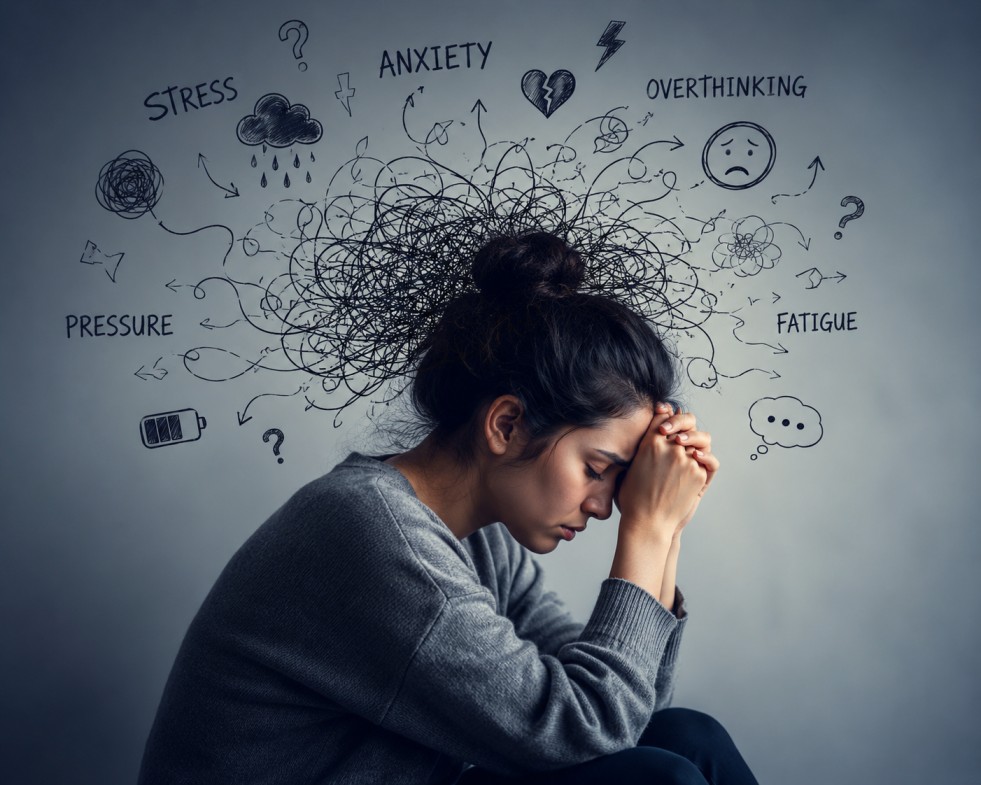
Anxiety is not simply "worrying too much." It is a complex neurobiological state affecting over 300 million people worldwide, according to the World Health Organization. In India alone, the National Mental Health Survey found that nearly 15% of adults suffer from common mental disorders, with anxiety disorders being the most prevalent.
Unlike the temporary nervousness everyone feels before a presentation or medical test, clinical anxiety is persistent, excessive, and often disconnected from any real threat. It fundamentally alters how the brain processes information, how the body regulates stress hormones, and how the individual experiences daily life.
The Spectrum of Anxiety Disorders
Conventional psychiatry recognizes several distinct anxiety disorders, each with its own diagnostic criteria:
| Disorder | Core Feature | Key Symptoms |
|---|---|---|
| Generalized Anxiety Disorder (GAD) | Excessive, uncontrollable worry about multiple domains (work, health, family, finances) | Restlessness, fatigue, poor concentration, irritability, muscle tension, sleep disturbance. Worry present more days than not for at least 6 months |
| Panic Disorder | Recurrent, unexpected panic attacks followed by ≥1 month of persistent concern about having another attack | Palpitations, sweating, trembling, shortness of breath, choking sensation, chest pain, nausea, dizziness, fear of dying or "going crazy" |
| Social Anxiety Disorder (Social Phobia) | Marked fear of social situations where individual may be scrutinized | Fear of humiliation, embarrassment, rejection. Avoids social interactions, public speaking, eating/drinking in public |
| Agoraphobia | Fear of being in situations where escape might be difficult or help unavailable | Avoids public transportation, open spaces, enclosed places, crowds, being outside home alone. Often comorbid with panic disorder |
| Specific Phobias | Marked fear of specific object or situation (heights, animals, blood, flying) | Immediate fear response, avoidance, distress that interferes with functioning |
| Separation Anxiety Disorder | Developmentally inappropriate fear of separation from attachment figures | Excessive distress when leaving home or loved ones, worry about harm befalling attachment figures, refusal to be alone |
How Chronic Anxiety Damages the Body
The "fight or flight" response, mediated by the sympathetic nervous system and the hypothalamic-pituitary-adrenal (HPA) axis, evolved to handle brief, life-threatening emergencies. In chronic anxiety, this system remains persistently activated, causing widespread physiological damage:
1. Neuroendocrine Dysregulation
Cortisol elevation: Chronic anxiety maintains high cortisol levels, which damages hippocampal neurons (memory center), reduces serotonin production, and impairs immune function
Catecholamine excess: High adrenaline and noradrenaline cause persistent tachycardia, hypertension, and cardiac strain
2. Cardiovascular Consequences
Increased risk of hypertension, coronary artery disease, heart failure, and sudden cardiac death
Anxiety disorders associated with 30-50% increased risk of major cardiovascular events
3. Gastrointestinal Dysfunction
Anxiety alters gut motility (diarrhea or constipation)
Increases visceral hypersensitivity (lower pain threshold in gut)
Worsens or triggers irritable bowel syndrome (IBS), functional dyspepsia
Disrupts gut microbiome via stress-induced changes
4. Immune Suppression
Chronic stress hormones suppress cellular immunity
Increased susceptibility to viral infections (common cold, herpes reactivation)
Delayed wound healing
Worsening of autoimmune conditions
5. Sleep Architecture Destruction
Anxiety disrupts the normal sleep cycle, particularly deep (slow-wave) sleep and REM sleep
Sleep deprivation then worsens anxiety – a vicious cycle
6. Musculoskeletal Tension
Chronic muscle tension (especially neck, shoulders, jaw, lower back)
Tension headaches, temporomandibular joint (TMJ) dysfunction
Fibromyalgia risk increased
The Anxiety-Sleep-Depression Triad (The Triple Burden)
Most patients do not suffer from a single condition. Anxiety, insomnia, and depression form a self-perpetuating triad:
Anxiety → Insomnia
Racing thoughts prevent sleep onset; hyperarousal disrupts sleep maintenance
Insomnia → Depression
Chronic sleep deprivation depletes serotonin and dopamine, precipitates major depression
Depression → Anxiety
Hopelessness and helplessness generate anticipatory anxiety about the future
Limitations of Conventional Anxiety Treatment
| Conventional Treatment | Mechanism | Common Problems |
|---|---|---|
| SSRIs (escitalopram, sertraline, fluoxetine) | Increases serotonin availability | 4-6 weeks to work, sexual dysfunction, weight gain, emotional blunting, withdrawal syndrome upon discontinuation |
| Benzodiazepines (alprazolam, clonazepam, lorazepam) | Enhances GABA inhibition | Tolerance (needing higher doses), physical dependence, withdrawal seizures, cognitive impairment, falls in elderly, potential for addiction |
| Buspirone | 5-HT1A agonist | Weak efficacy, nausea, dizziness, requires twice or thrice daily dosing |
| Beta-blockers (propranolol) | Blocks peripheral adrenaline effects | Only helps physical symptoms (tremor, tachycardia), not psychological worry; fatigue, bradycardia |
| Cognitive Behavioral Therapy (CBT) | Restructures maladaptive thought patterns | Highly effective but requires 12-20 sessions, expensive, therapist availability limited |
The Gaps Conventional Treatment Leaves:
SSRIs
SSRIs often prescribed indefinitely (patients cannot stop due to withdrawal or relapse)
Benzodiazepines
Benzodiazepines cause addiction and cognitive decline (especially dangerous in elderly)
Persistent Symptoms
Many patients remain symptomatic despite maximum tolerated doses
Poor Adherence
Side effects cause poor adherence (up to 50% stop SSRIs within 6 months)
How Homeopathy Works for Anxiety & Panic Disorders
Homeopathy approaches anxiety fundamentally differently from psychiatry. While conventional medicine classifies anxiety as a "chemical imbalance" (low serotonin, overactive amygdala), homeopathy asks a deeper question: Why is this particular individual's nervous system reacting to normal stimuli as if they were life-threatening?
The answer lies in the individual's constitutional type—their inherited and acquired susceptibility to stress.
The Homeopathic Concept of "Sensitivity"
Some people are born with highly sensitive nervous systems. They startle easily, sleep lightly, react intensely to criticism, and feel overwhelmed by crowds, noise, or deadlines. Homeopathy recognizes this as a constitutional trait that can be treated at its root, not merely suppressed with tranquilizers.
How Homeopathic Remedies Work for Anxiety
Homeopathic remedies do not "block" anxiety like benzodiazepines. Instead, they help the nervous system return to baseline after stress. Treated patients report that triggers that previously caused panic now cause mild unease, and that unease dissipates quickly rather than spiraling.
Research suggests that individualized homeopathic treatment normalizes cortisol awakening response and diurnal cortisol rhythm. This means the body stops producing stress hormones in anticipation of stress (rumination) and instead produces them only when actually needed.
The amygdala is the brain's fear center. In anxiety disorders, it is hyper-reactive—firing in response to neutral stimuli. Homeopathic treatment appears to reduce this baseline reactivity, raising the threshold for fear response.
Benzodiazepines artificially enhance GABA (the brain's primary inhibitory neurotransmitter) but cause tolerance. Homeopathic remedies like Ignatia, Gelsemium, and Coffea help the brain regulate its own GABA production, leading to calmness without sedation or dependence.
Homeopathy recognizes inherited disease tendencies called "miasms." For example, a family history of anxiety, panic, obsessive-compulsive disorder, or tics suggests a "Psoric" or "Syphilitic" miasm. Treating the miasm prevents anxiety from recurring in different forms across generations.
Our 5-Step Protocol for Anxiety Treatment Homeopathy
We document:
- Anxiety triggers: Specific situations (public speaking, flying, crowds), or generalized (free-floating worry)?
- Thought content: What does the patient fear? (Death? Judgment? Loss of control? Harm to loved ones?)
- Panic attack details: Frequency, duration, time of day, physical symptoms (palpitations? hyperventilation? choking sensation?), what helps or worsens?
- Impact on functioning: Avoidance behaviors (social withdrawal, not driving, not leaving home)
- Comorbidities: Depression, insomnia, obsessive-compulsive traits, substance use (alcohol, cannabis, sedatives)
- Family history: Anxiety, depression, bipolar disorder, suicide, substance abuse
- Medication history: Current and past psychotropics; response; side effects; difficulty discontinuing
Based on the complete picture, we prescribe a single, individualized remedy at medium-to-high potency (200C, 1M, or 200C) to be taken weekly or monthly.
Low potency (6C, 12C, 30C) of the same or different remedy, taken as needed during acute episodes. These can be used safely alongside constitutional doses.
Because insomnia homeopathy is essential to anxiety recovery, we prescribe specific sleep remedies and sleep hygiene measures.
Once homeopathic benefits are evident (reduced anxiety, no panic attacks, improved sleep), we work with your psychiatrist to slowly taper SSRIs or benzodiazepines. This requires medical supervision.
Depression Treatment with Homeopathy – A Holistic Approach
Major Depressive Disorder (MDD) affects 5-10% of adults in any given year. Its symptoms extend far beyond "feeling sad": anhedonia (loss of pleasure), hopelessness, worthlessness, guilt, suicidal ideation, psychomotor retardation or agitation, fatigue, sleep and appetite disturbances, poor concentration.
Depression treatment in homeopathy recognizes that depression is not a unitary disease but a final common pathway of multiple underlying disturbances: grief, suppressed anger, hormonal imbalance, seasonal sensitivity, existential despair, or metabolic dysfunction.
The Homeopathic Understanding of Depression
Unlike the "chemical imbalance" theory (low serotonin, norepinephrine, or dopamine) which has been increasingly criticized, homeopathy views depression as:
- A normal response to abnormal circumstances (bereavement, divorce, financial ruin) – not necessarily "pathological"
- An expression of the vital force attempting to adapt to overwhelming stress
- A signal that the person needs deep healing at mental, emotional, and spiritual levels
Key Depression Types and Their Homeopathic Keys
1. Reactive Depression (Triggered by Life Events)
Death of loved one, romantic rejection, job loss, betrayal
Ignatia Amara (acute grief with sighing, hysterical, contradictory symptoms), Natrum Muriaticum (suppressed grief, unwilling to cry, worse from consolation, craves salt), Staphysagria (humiliation, suppressed anger, indignation)
Excellent with timely treatment
2. Endogenous Depression (No Clear Trigger)
"Comes out of nowhere." Often familial.
Aurum Metallicum (profound hopelessness, suicidal, feels worthless, worse at night), Sepia (indifferent to loved ones, irritable, worse before menses), Pulsatilla (weepy, changeable, worse from warmth, seeks consolation)
Requires constitutional treatment over 12-24 months
3. Seasonal Depression (SAD – Winter Pattern)
Depressed mood and fatigue every winter, improves in spring
Calcarea Carbonica (chilly, sluggish, worse from cold), Sepia (worse from cold, irritable), Crocus Sativus (sensitive to light, mood swings)
Good with seasonal dosing
4. Postpartum Depression
Within 6 months of childbirth
Sepia (indifferent to baby, irritable, bearing-down sensation), Natrum Muriaticum (unable to bond, feels overwhelmed), Pulsatilla (weepy, wants company), Cimicifuga (dark, brooding thoughts with uterine pains)
Excellent with early treatment; prevents chronic depression
5. Depression with Psychomotor Retardation (Slow, Heavy, "Paralyzed")
Gelsemium (trembling, heavy eyelids, dread, "going to pieces"), Baryta Carbonica (childish, immature, forgetful)
Good
6. Depression with Agitation (Restless, Anxious, Cannot Sit Still)
Arsenicum Album (restless, anxious, burning pains, perfectionist), Rhus Toxicodendron (restless from discomfort, worse during rest), Tarentula Hispanica (destructive, lascivious, worse from music)
Challenging, requires high potency constitutional treatment
Suicide Risk Assessment
Homeopaths must screen for suicidality in every depressed patient. If the patient has a plan, intent, or means (access to weapons, stockpiled medications), this is a medical emergency requiring immediate psychiatric hospitalization.
We use the PHQ-9 (Patient Health Questionnaire-9) item 9: "Thoughts that you would be better off dead, or of hurting yourself." Any positive response triggers a full suicide risk assessment.
Important: Homeopathy is not first-line treatment for acute, severe, suicidal depression. We treat moderate depression and serve as adjunctive therapy for severe depression, always in coordination with psychiatry.
Insomnia Homeopathy – Sleep Better Without Sleeping Pills
Insomnia homeopathy is one of the most sought-after services at our clinic. Chronic insomnia affects 10-30% of adults, with rates much higher among those with anxiety and depression.
Sleeping pills (zolpidem, eszopiclone, temazepam) have serious problems: tolerance (needing higher doses), dependence (withdrawal insomnia worse than original), cognitive impairment (morning grogginess, memory loss), falls in elderly, and increased mortality. Long-term use is never recommended, yet millions remain on them for years because they cannot stop.
Types of Insomnia and Their Homeopathic Keys
1. Difficulty Falling Asleep (Initiation Insomnia)
The classic "racing thoughts" at bedtime. Mind won't stop replaying the day, worrying, planning.
| Remedy | Key Indications |
|---|---|
| Coffea Cruda | Thoughts racing, mind hyperactive, sensitive to noise and pain. Patient feels "wired." Worse from mental excitement, good news, or coffee (paradoxically). Better from warm drink. |
| Ignatia Amara | Insomnia after grief, disappointment, or emotional shock. Frequent sighing, hysterical, contradictory symptoms. Worse from consolation, tobacco smoke. |
| Arsenicum Album | Insomnia from anxiety about health, finances, or safety. Restless, must check locks repeatedly. Worse after midnight (12-2 AM). |
| Gelsemium | Insomnia before important event (exam, interview, presentation). Dread, weakness, trembling. Sleep not refreshing. |
2. Difficulty Staying Asleep (Maintenance Insomnia)
Falling asleep easily but waking after 2-4 hours, unable to return to sleep. Often indicates elevated cortisol at night (HPA axis dysregulation).
| Remedy | Key Indications |
|---|---|
| Nux Vomica | Wakes 3-4 AM with racing mind, then sleeps heavily toward morning. Irritable, driven personality. Worse from alcohol, spices, overwork, stimulants. |
| Sulphur | Wakes between 2-5 AM, feels overheated, throws off covers. Must uncover feet. Burning pains. Worse from warmth of bed. |
| Lycopodium | Wakes hungry at night (must eat). Digestive issues, bloating. Worse 4-8 PM. Wakes after midnight. |
| Pulsatilla | Wakes from suffocation feeling, must sit up. Worse lying down. Weepy, changeable moods. Thirstless. |
3. Early Morning Awakening (4-5 AM)
Waking too early and unable to return to sleep. Often associated with depression.
Wakes 4-5 AM with palpitations, anxiety, replaying past grievances. Craves salt, worse from consolation. History of grief or sunstroke.
Wakes with profound hopelessness, thoughts of death. Worse from night, from hearing bad news. Feels worthless.
Wakes from exhaustion but cannot sleep. Apathetic, indifferent, grief-stricken. Worse from mental exertion.
4. Restless Sleep, Tossing, Turning
Patient sleeps but not restfully. Wakes exhausted.
Restless from discomfort, must change position constantly. Worse during rest, better from motion (paradoxical).
In constant motion even during sleep (restless legs syndrome, kicking). Worse from wine, from mental exertion.
Children who grind teeth, pick nose, restless sleep. Worse during full moon, from worms (but works even without parasites).
5. Nightmares and Night Terrors
Terrifying nightmares of dark, animals, death. Fear of being alone, worse at night. Visceral intensity.
Vivid, frightening dreams of sexuality or disaster. Adolescent acne with insomnia.
Suffocative nightmares, worse after sleep (wakes feeling worse than before sleeping). Left-sided.
Sleep Hygiene Protocol (Essential Alongside Homeopathy)
Do:
- Maintain consistent sleep-wake schedule (even weekends)
- Wake at same time regardless of sleep duration
- Get morning sunlight within 30 minutes of waking (resets circadian clock)
- Dark, cool bedroom (18-20°C / 65-68°F)
- Calming pre-sleep ritual (reading, stretching, warm bath, breathing exercises)
- Stop eating 3 hours before bed
Do not:
- Caffeine after 2 PM (or completely if sensitive)
- Alcohol (fragments sleep, suppresses REM)
- Screens (blue light) within 90 minutes of bed
- Vigorous exercise within 2 hours of bed
- Clock-watching (turns bed into battleground)
- Work or worry in bed (reserve bed for sleep and intimacy only)
If awake >20 minutes during night: Get out of bed, go to dimly lit room, read boring material. Return only when sleepy. This breaks the conditioned arousal response.
Top Homeopathic Remedies for Anxiety & Mental Wellness
The following remedies are for educational purposes. Self-prescribing for chronic anxiety or depression is strongly discouraged. Always consult a qualified homeopathic physician.
By Anxiety Type
Performance Anxiety (Exam, Interview, Stage)
| Remedy | Key Indications | Modalities |
|---|---|---|
| Gelsemium | Dread, weakness, trembling, diarrhea before event. Heavy eyelids, paralysis of function. | Worse anticipation, worse from excitement. Better from urination, better from alcohol (but avoid). |
| Argentum Nitricum | Impulsive, hurried, diarrhea, cravings for sweets. Anticipatory anxiety that builds for days before event. | Worse from warmth, worse from anticipation. Better from cool air, better from pressure. |
| Lycopodium | Fear of public speaking. Stage fright despite competence. Craves sweets, digestive issues. | Worse 4-8 PM, worse from anticipation. Better from warm food/drink. |
Generalized Anxiety (Constant Worry)
| Remedy | Key Indications | Modalities |
|---|---|---|
| Arsenicum Album | Restless, perfectionist, fears death or illness. Chilliness, burning pains. Meticulous, cannot delegate. | Worse midnight, worse from cold. Better from warmth, better from company. |
| Calcarea Carbonica | Anxious from overwork or responsibility. Fatigues easily, fears losing control or going crazy. Chilly, sweats on head. | Worse from exertion, worse from cold. Better from lying down. |
| Silicea | Anxious, timid, lack of confidence. Yielding but obstinate. Poor concentration, low stamina. | Worse from cold, worse from anticipation. Better from warmth, better from company. |
Phobias (Specific Fears)
| Remedy | Key Indications | Common Phobias |
|---|---|---|
| Phosphorus | Sensitive to noise, light, touch, social dynamics. Craves company, fears being alone. Bleeding tendencies. | Storms, darkness, death, supernatural |
| Pulsatilla | Mild, weepy, changeable. Worse from warmth, craves open air. Children with phobias of attending school. | Being alone (needs companionship) |
| Aconite | Sudden, intense terror after shock (accident, traumatic event). Restless, fears death. | Crowded places, airplanes, enclosed spaces |
Social Anxiety
| Remedy | Key Indications | Modalities |
|---|---|---|
| Natrum Muriaticum | Reserved, fears humiliation. Avoids social situations despite loneliness. Worse from consolation (hates being comforted). | Worse from sun, worse from emotional stress. Better from open air, better from sweating. |
| Staphysagria | Social anxiety after humiliation or abuse (verbal, emotional, sexual). Suppressed rage, sensitive to criticism. | Worse from indignation, worse from emotional abuse. Better from rest. |
| Lac Caninum | Alternating social confidence and terror. Feels as if being watched or judged. Pains that shift sides. | Worse from feeling observed. Better from solitude. |
Panic Disorder (Unexpected Attacks)
| Remedy | Key Indications | Modalities |
|---|---|---|
| Aconite | First remedy for acute panic: sudden onset, intense terror, palpitations, restlessness, fear of death. | Worse at night, worse from shock. Better from open air. |
| Ignatia | Panic after emotional shock or grief. Sobbing, sighing, lump in throat. Contradictory symptoms. | Worse from consolation, worse from tobacco. Better from distraction. |
| Arsenicum Album | Panic with fear of death or suffocation. Restless pacing, cannot stay in one place. Worse midnight. | Worse from cold, worse from being alone. Better from warmth. |
By Comorbid Condition
Anxiety with Depression (Mixed Anxiety-Depressive Disorder)
| Remedy | Key Indications |
|---|---|
| Aurum Metallicum | Profound hopelessness, suicidal ideation, nocturnal worsening. Anxiety about failure, ruin, death. |
| Sepia | Irritable, indifferent to loved ones. Worse before menses. Bearing-down sensation. Anxiety about family responsibilities. |
| Natrum Muriaticum | Historical grief, unable to cry. Reserved socially but lonely. Salt craving. Worse from consolation. |
See Insomnia Homeopathy section above. Most common: Coffea (racing thoughts), Nux Vomica (3 AM waking), Lycopodium (hunger at night).
Anxiety with Obsessive-Compulsive Traits
| Remedy | Key Indications |
|---|---|
| Arsenicum Album | Checking rituals (locks, stove, appliances). Fear of germs, contamination. Meticulous orderliness. |
| Thuja | Intrusive thoughts of unpleasant images. Fixed ideas, feels as if something alive inside. Worse after vaccination. |
| Syphilinum (nosode) | Destructive obsessions, suicidal or homicidal thoughts. Worse at night. History of suppressed syphilis or family history. |
When to Seek Homeopathic Help for Mental Health Issues
Homeopathy is remarkably effective for mild to moderate anxiety, depression, and insomnia. However, it is not appropriate for all mental health situations. Use this guide to determine appropriate treatment pathways.
When Homeopathy Is Appropriate as Primary Treatment
- Worry most days but still functioning (working, maintaining relationships)
- No suicidal ideation
- No self-harm or substance abuse
- Patient motivated for natural treatment
- Anxiety triggered by identifiable stressor (divorce, job loss, relocation)
- Symptoms present less than 6 months
- No prior psychiatric history
- PHQ-9 score 5-14 (mild to moderate)
- No suicidal ideation
- Still able to perform basic self-care
- Eating and sleeping (though may be disturbed)
- Difficulty falling or staying asleep for >3 months
- No restless legs syndrome or sleep apnea
- Patient willing to implement sleep hygiene
- Anxiety only in specific situations (exams, speaking, performances)
- No generalized anxiety
- Marked fear of identifiable object or situation
- Avoidance causes functional impairment
- No panic attacks outside phobic context
When Homeopathy Should Be Combined with Conventional Care (Adjunctive)
- PHQ-9 score 15-19 (moderate to severe)
- Some suicidal ideation (no plan or intent)
- Impaired function (difficulty working, self-care)
- Homeopathy alongside SSRI and therapy
- Best treated with CBT plus homeopathy
- Short-term benzodiazepines may be needed for acute control
- Homeopathy to reduce frequency and need for benzodiazepines
- Requires trauma-focused therapy (EMDR, CPT)
- Homeopathy excellent for nightmares, hypervigilance, startle response
- Not sufficient alone for complex trauma
- Requires ERP (exposure response prevention) therapy
- SSRIs first-line for moderate-severe
- Homeopathy for residual symptoms or reducing SSRI dose
- CBT or group therapy as primary
- Homeopathy adjunct for physical symptoms (blushing, sweating, trembling)
When Homeopathy Is NOT Appropriate (Refer to Psychiatry or Emergency)
- Active suicidal plan with intent and means
- Recent suicide attempt
- Acute psychosis (hallucinations, delusions)
- Catatonia
- Severe mania (bipolar disorder) – aggressive, reckless, no sleep
- Severe depression with suicidal ideation (even without plan)
- Anorexia nervosa with weight <75% ideal
- Active substance dependence requiring detox
- Bipolar I disorder (especially if manic)
- Schizophrenia or schizoaffective disorder
- Severe OCD causing inability to function
Bipolar II disorder (hypomania) – some homeopaths treat successfully but risk of triggering mania
Borderline personality disorder – requires DBT therapy; homeopathy can help mood instability but not sufficient
Bulimia nervosa – requires nutritional rehabilitation and therapy first
Red Flags That Require Immediate Change in Treatment Plan
Patients already on homeopathy should escalate care if they experience:
Worsening depression (lower mood, less function, emerging suicidal thoughts)
New onset self-harm (cutting, burning, hitting self)
Substance use escalation (alcohol, cannabis, benzodiazepines, opioids)
Acute panic attacks causing emergency room visits
Refusal to eat (weight loss >5% in 1 month)
Inability to work or leave home (significant functional decline)
Suicidal ideation (any – no matter how passive)
Our Policy on Managing High-Risk Patients
At our clinic:
We administer the PHQ-9 and GAD-7 at every visit (tracking suicide risk item)
We maintain a list of emergency psychiatric resources and crisis hotlines
We regularly communicate with patients' psychiatrists (with consent)
We do not advise discontinuing SSRIs, SNRIs, or antipsychotics without psychiatric supervision
We do not treat severe, acute, suicidal depression with homeopathy alone
We refer immediately if risk exceeds our competency
Crisis Resources (India)
+91-9152987821 (Monday-Saturday, 10 AM-8 PM)
1860-266-2345 (24/7)
+91-8376804102 (24/7)
+91-9820466726 (24/7)
[Online chat available]
Ready to calm your anxious mind, lift your mood, and sleep deeply—without side effects?
Our anxiety treatment homeopathy program combines deep constitutional prescribing, acute management for panic, targeted insomnia homeopathy protocols, and compassionate support for depression treatment. We coordinate with your psychiatrist when needed and never leave you unsupported.
Faq
Frequently Asked Questions
Physical symptoms of anxiety disorder include rapid heartbeat, chest tightness, anxiety-related breathing difficulty, muscle tension, headaches, fatigue, anxiety-caused digestive problems and sleep disturbances from anxiety requiring holistic anxiety disorder treatment.
Waking up at 3am with anxiety is linked to cortisol spikes at night, blood sugar dips, adrenal fatigue and anxiety or unresolved emotional stress. This nighttime anxiety pattern responds well to natural adrenal and sleep treatment.
Mild to moderate depression without antidepressants can be effectively managed through natural holistic depression treatment, lifestyle changes, nutritional therapy for depression and mind-body interventions under professional natural mental health care supervision.
The best natural anxiety treatment without medication combines constitutional holistic anxiety therapy, breathing techniques, adaptogenic herbs for anxiety, dietary changes and sleep hygiene for drug-free anxiety relief without dependency or withdrawal.
Natural insomnia treatment without sleeping pills combines sleep hygiene protocols, stress reduction, natural sedative remedies for insomnia and treating underlying anxiety-related sleep disorders without sedative dependency or sleeping pill side effects.
Natural antidepressant alternatives include holistic constitutional depression treatment, nutritional therapy, exercise, gut health for mental wellness and mind-body therapies that improve serotonin balance naturally without antidepressant side effects.
Book an online anxiety and depression treatment consultation in India for personalized natural panic disorder treatment, insomnia holistic management and stress-related mental health care without antidepressants or sleeping pills.
Mumbai depression and insomnia treatment clinics offer drug-free natural mental health treatment addressing root causes of anxiety and sleep disorders without antidepressants — ideal for holistic mental wellness in Mumbai.
Yes, natural panic attack treatment for adults in India is available combining holistic anxiety remedies, breathing therapy for panic disorder and constitutional natural treatment for lasting anxiety and panic relief without medication dependency.